
The Rise of AI in Website Development: What You Should Know?
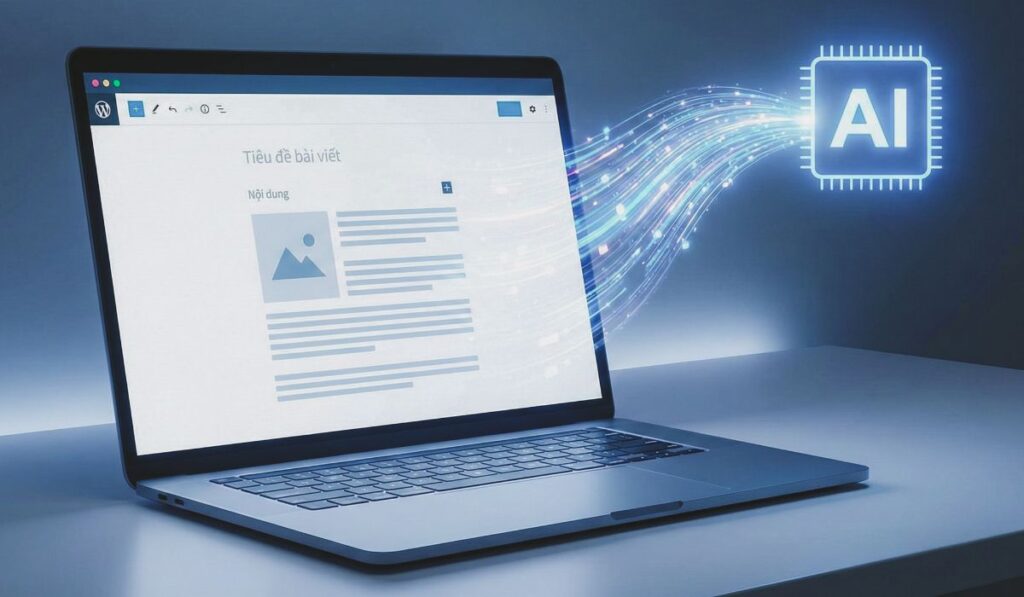
In the rapidly evolving digital landscape, websites serve as the primary interface between businesses and their audiences. As technology advances, so does the complexity and capability of website development. One of the most transformative trends in recent years is the integration of Artificial Intelligence (AI). AI has begun to revolutionize how websites are designed, developed, optimized, and maintained, offering unprecedented efficiency, personalization, and performance. This article explores the rise of AI in website development, delving into its key applications, benefits, challenges, and future prospects. Whether you’re a developer, business owner, or digital enthusiast, understanding AI’s role is essential to stay ahead in the competitive online world.
Understanding AI in Website Development
Artificial Intelligence refers to the simulation of human intelligence processes by machines, especially computer systems. In website development, AI encompasses a broad range of technologies including machine learning, natural language processing, computer vision, and automation. These technologies enable websites to become smarter, more responsive, and more personalized, all while reducing manual effort and enhancing user experience.
AI’s integration into website development is not just about automating tasks; it’s about creating intelligent systems that can adapt, learn, and improve over time. This shift is transforming traditional web development from static, code-driven processes into dynamic, user-centric experiences that evolve with user behavior and preferences.
Key Areas Where AI is Used in Website Development
AI’s influence on website development is multifaceted, impacting various stages from design to deployment and beyond. Here are some of the most significant areas where AI is making an impact:
AI-Powered Website Design
One of the most visible applications of AI in web development is in website design. AI-driven design tools analyze user preferences, industry trends, and content to generate customized layouts and aesthetic elements. These tools can automatically select color schemes, fonts, and imagery to create visually appealing and user-friendly websites with minimal human input.
For example, platforms like Wix ADI (Artificial Design Intelligence) use AI algorithms to craft tailored website designs based on user inputs and industry-specific data. This democratizes web design, allowing even non-technical users to create professional-grade websites effortlessly.
Benefits of AI-Driven Web Design
AI-powered web design offers several advantages:
- Speed and Efficiency: Automated design generation reduces the time needed to launch a website.
- Customization: Designs are tailored to target audiences and branding requirements.
- Consistency: AI ensures visual coherence across pages, enhancing brand identity.
- Accessibility: AI tools can optimize designs for accessibility standards, making websites usable for all.
Smarter Development With AI Coding Tools
AI is also transforming the coding process itself. Advanced AI coding assistants like GitHub Copilot use machine learning models trained on vast code repositories to suggest code snippets, identify bugs, and optimize code. These tools accelerate development workflows, reduce errors, and help developers focus on creative and strategic aspects of web development.
How AI Supports Web Developers:
- Code Generation: AI can generate boilerplate code and repetitive functions.
- Error Detection: AI tools can identify bugs early and suggest fixes.
- Optimization: AI helps in optimizing code for speed and efficiency.
- Learning and Support: AI-powered documentation and tutorials aid developers in real-time.
Personalization Through AI-Powered Websites
Personalization is crucial in today’s digital experience, and AI makes it more accessible and effective than ever. AI-powered websites analyze user data—such as browsing behavior, purchase history, and preferences—to deliver tailored content, recommendations, and experiences.
Examples of AI-Driven Personalization:
- E-commerce sites recommend products based on past purchases.
- News portals suggest articles aligned with user interests.
- SaaS platforms customize dashboards according to user roles and usage patterns.
- Travel websites offer personalized itineraries based on user preferences.
This level of personalization enhances engagement, boosts conversions, and fosters customer loyalty.
AI and Website Performance Optimization
Website performance is vital not only for user experience but also for search engine rankings. AI plays a significant role in optimizing core web vital metrics, such as page load speed, interactivity, and visual stability.
The Three Main Core Web Vitals Include:
- Largest Contentful Paint (LCP): Measures how quickly the main content loads.
- First Input Delay (FID): Gauges how responsive the website is to user interactions.
- Cumulative Layout Shift (CLS): Tracks visual stability during page load.
AI algorithms analyze real-time data to identify performance bottlenecks and suggest improvements, such as optimizing images, reducing script load times, and preloading critical resources.
Role of AI in SEO and Search Rankings
Search engine optimization (SEO) remains a cornerstone of effective digital marketing, and AI has become a critical tool in enhancing search rankings. Search engines like Google utilize AI algorithms—such as BERT and RankBrain—to better understand user intent and content relevance.
AI in SEO includes:
- Content Optimization: AI tools analyze keywords, readability, and relevance to suggest optimizations.
- Voice Search Optimization: AI helps tailor websites for voice-based queries.
- Semantic Search: AI understands context and intent, enabling websites to rank higher for relevant searches.
- Automated Auditing: AI scans websites for SEO issues like broken links, duplicate content, and technical errors.
By leveraging AI, website owners can improve their visibility, attract targeted traffic, and stay ahead in competitive search rankings.
AI in Content Creation and Management
Content is king in the digital realm, and AI is empowering creators with tools for efficient content generation and management. AI-driven content creation platforms can produce articles, product descriptions, and social media posts, often with minimal human intervention.
Benefits include:
- Speed: Quickly generate large volumes of content.
- Consistency: Maintain a uniform tone and style.
- Optimization: Tailor content for SEO and user engagement.
- Content Curation: AI can aggregate and recommend relevant content based on user interests.
However, human oversight remains essential to ensure quality, authenticity, and context relevance.
AI Chatbots and User Engagement
AI-powered chatbots have become a standard feature for enhancing user engagement on websites. They provide instant support, answer queries, and guide users through complex processes in real-time.
Advantages of AI chatbots:
- 24/7 Availability: Always ready to assist visitors.
- Personalized Interactions: Tailor responses based on user data.
- Lead Generation: Collect contact information and qualify leads.
- Cost Savings: Reduce reliance on human customer support.
By integrating chatbots, websites can improve user experience, increase conversions, and gather valuable insights into customer preferences.
Challenges of AI in Website Development
- Despite its many benefits, integrating AI into website development presents several challenges:
- Data Privacy and Security: Handling user data responsibly is critical, especially with regulations like GDPR.
- Bias and Fairness: AI models can inadvertently perpetuate biases present in training data.
- Complexity and Cost: Developing and maintaining AI systems requires expertise and investment.
- Dependence on Data Quality: Poor data can lead to inaccurate or ineffective AI outputs.
- Lack of Human Touch: Over-reliance on AI may lead to impersonal user experiences.
Why Human Expertise Still Matters
While AI significantly enhances website development, human expertise remains irreplaceable. Skilled developers, designers, and content creators bring creativity, empathy, critical thinking, and ethical considerations that AI cannot replicate. Human oversight ensures that AI-generated content and designs align with brand values, cultural sensitivities, and user needs.
Humans also play a vital role in interpreting data, making strategic decisions, and innovating beyond the capabilities of current AI systems.
The Future of AI in Website Development
The future of AI in website development is promising, with emerging technologies poised to further transform the digital landscape:
- Deeper Personalization: AI will enable hyper-targeted, context-aware experiences.
- Advanced Automation: Entire website lifecycle management—from design to maintenance—may become fully automated.
- AI-Generated Content: Real-time, dynamic content tailored to individual users.
- Enhanced Accessibility: AI will help create more inclusive web experiences.
- Integration with Emerging Technologies: Augmented reality (AR), virtual reality (VR), and 5G will work seamlessly with AI to offer immersive web experiences.
As AI continues to evolve, staying adaptable and informed will be crucial for developers and businesses alike.
Conclusion
Artificial Intelligence is undeniably reshaping the landscape of website development. From designing visually appealing sites and personalizing user experiences to optimizing performance and boosting SEO, AI offers powerful tools to enhance every aspect of a website’s lifecycle. Despite these advancements, human expertise remains essential to guide AI’s application ethically and creatively.
Embracing AI-driven innovations will enable businesses to create smarter, more efficient, and engaging websites that meet the evolving expectations of users. As we look to the future, the synergy between human ingenuity and AI capabilities promises a new era of web development—one characterized by unparalleled customization, performance, and accessibility.
Frequently Asked Questions
Q1: How does AI improve website design?
AI automates the creation of website layouts, color schemes, and imagery based on user preferences and industry trends, making design faster and more personalized.
Q2: Can AI replace web developers?
While AI automates many tasks, it cannot replace the creativity, strategic thinking, and ethical judgment of human developers. AI acts as a tool to augment their work.
Q3: What are Web Vitals, and why are they important?
Web Vitals are metrics that measure user experience aspects like load time (LCP), interactivity (FID), and visual stability (CLS). Optimizing these is crucial for SEO and user satisfaction.
Q4: How does AI support SEO efforts?
AI analyzes content, keywords, and user behavior to suggest optimizations, understand search intent, and improve website visibility in search rankings.
Q5: What are some challenges of integrating AI in websites?
Challenges include data privacy concerns, bias in AI models, high development costs, and the need for ongoing maintenance and oversight.
Q6: What does the future hold for AI in web development?
Future trends include deeper personalization, full automation of website management, integration with AR/VR, and smarter accessibility solutions.
Q7: Is AI suitable for small businesses?
Yes, many AI tools are affordable and user-friendly, making them accessible for small businesses aiming to improve their online presence efficiently.
Tags:
Let’s scale your brand, together
Have a project in mind? Schedule a free consultation today.

Our forte lies in conceiving and crafting digital products and online experiences that foster growth, innovation, and transformation for our clients.
- info@mckbytes.com
- Call +91 99945 55962