
The Most Inspiring Web Design Trends of 2026
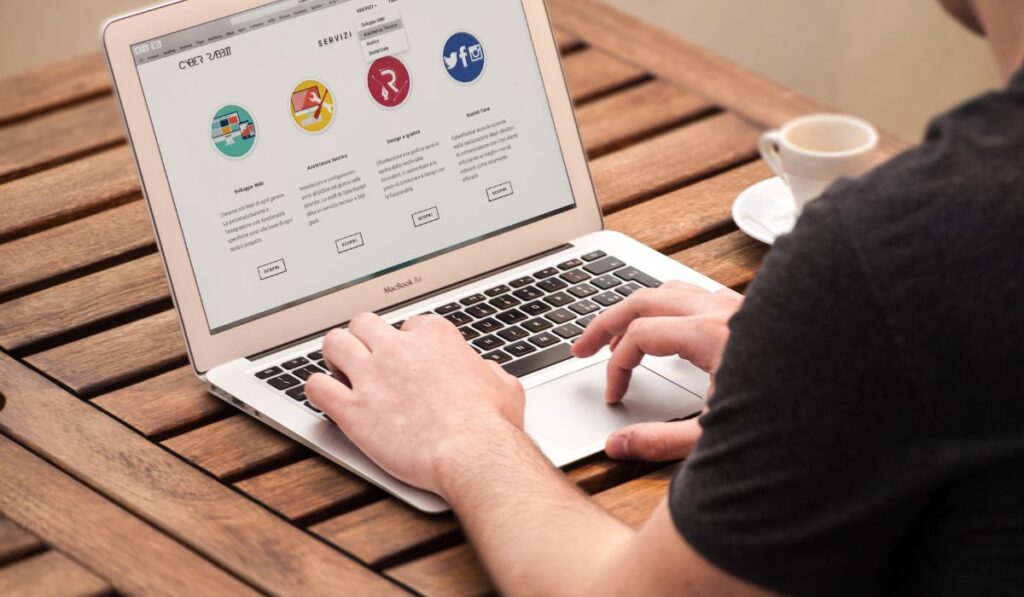
As the digital landscape continues to evolve at an unprecedented pace, web design remains at the forefront of innovation, creativity, and functionality. The year 2026 promises to be a transformative period where user experience (UX) is redefined through cutting-edge trends that prioritize personalization, accessibility, sustainability, and immersive engagement. In this comprehensive exploration, we delve into the most inspiring web design trends of 2026, examining how they shape the future of online interaction and why they matter more than ever.
- AI-Driven Personalized Experiences
In 2026, personalization is no longer a luxury but an expectation. Artificial Intelligence (AI) has become integral to crafting tailored user journeys, enabling websites to adapt dynamically to individual preferences, behaviors, and needs. AI-driven personalization involves analyzing user data—such as browsing history, purchase patterns, and interaction styles—to deliver content, recommendations, and interfaces that resonate on a personal level.
Why Personalization Matters:
Personalized experiences foster deeper engagement, increase conversion rates, and build brand loyalty. For example, e-commerce sites can showcase products that align with a user’s browsing habits, while content platforms can curate articles and videos based on interests. AI algorithms continuously learn and adapt, ensuring that the user experience remains relevant and compelling.
Implementation Strategies:
- Dynamic Content Delivery: Serving different content blocks based on user segments.
- Predictive Analytics: Anticipating user needs before they explicitly express them.
- Chatbots and Virtual Assistants: Offering real-time, personalized support.
By harnessing AI for personalization, web designers create intuitive, responsive, and highly relevant digital environments that keep users engaged and satisfied.
- Minimalism with Purpose
Minimalism continues its reign as a dominant design philosophy in 2026, but with an added emphasis on purpose-driven simplicity. The goal is to eliminate clutter and distraction, allowing users to focus on what truly matters—the content and the user journey.
Key Elements of Purposeful Minimalism:
- Clean Layouts: Use of ample white space to enhance readability and focus.
- Limited Color Palettes: Focusing on a few harmonious hues to evoke mood and brand identity.
- Clear Typography: Prioritizing legible fonts that guide the user effortlessly.
- Intuitive Navigation: Simplified menus and pathways that direct users seamlessly.
Benefits of Minimalism with Purpose:
- Faster Load Times: Reduced visual complexity means less data to load.
- Enhanced Usability: Users can find information quickly without distraction.
- Elevated Content Focus: The message or product becomes the star of the experience.
In 2026, minimalism is not about stripping down but about refining design to serve strategic goals, creating interfaces that are elegant, functional, and user-centric.
- Immersive Micro-Interactions
Micro-interactions are subtle, often overlooked animations or responses that occur when users engage with a website—such as button hover effects, loading animations, or form validations. In 2026, these micro-interactions are elevated to create immersive, delightful experiences.
Benefits of Micro-Interactions:
- Provide Feedback: Confirm user actions, reducing confusion and errors.
- Enhance Engagement: Small animations make interactions more enjoyable.
- Guide Users: Subtle cues direct attention and inform navigation.
Design Tips for Micro-Interactions:
- Use smooth, natural animations to mimic real-world physics.
- Keep interactions brief and purposeful.
- Align micro-interactions with overall brand tone for consistency.
When thoughtfully implemented, micro-interactions turn mundane tasks into engaging moments, fostering a sense of connection and trust between users and digital platforms.
- Mobile-First and Thumb-Friendly Design
The predominance of smartphones necessitates a mobile-first approach that prioritizes usability on smaller screens. In 2026, web design is heavily centered on thumb-friendly interfaces that facilitate effortless navigation and interaction.
Why Mobile-First Matters:
- Over 70% of web traffic comes from mobile devices.
- Mobile-first design ensures compatibility across all devices.
- It enhances accessibility and usability for all users.
Design Principles for Thumb-Friendly Interfaces:
- Larger Touch Targets: Buttons and links that are easy to tap.
- Simplified Navigation: Minimal menus with clear icons and labels.
- Vertical Scrolling: Optimized for natural thumb movement.
- Context-Aware Features: Location-based content and quick access to core functions.
By embracing mobile-first and thumb-friendly design, websites become more accessible, ensuring users can navigate effortlessly regardless of device or context.
- Dark Mode and Adaptive Color Schemes
Dark mode has transitioned from a trendy option to a standard feature, driven by user preference, device capabilities, and health considerations. In 2026, adaptive color schemes dynamically adjust based on user context, lighting conditions, and personal preferences.
Why Adaptive Color Schemes Matter:
- Reduce Eye Strain: Especially in low-light environments.
- Save Battery Life: Particularly on OLED screens.
- Enhance Accessibility: High contrast modes improve readability for visually impaired users.
Implementation Strategies:
- Switchable Themes: Allow users to toggle between light and dark modes.
- Context-Aware Adjustments: Automatically adapt based on ambient lighting or time of day.
- Customizable Palettes: Let users personalize their color schemes for comfort.
Adaptive color schemes improve the overall user experience by making interfaces more comfortable, inclusive, and aligned with individual needs.
- Accessibility-First Design
Inclusivity is a core principle in 2026 web design. Accessibility-first design ensures that websites are usable by everyone, including people with disabilities. This approach involves integrating accessibility features from the outset rather than as an afterthought.
Accessibility Features Include:
- Screen Reader Compatibility: Clear semantic HTML and ARIA labels.
- Keyboard Navigation: Fully operable via keyboard for users with motor impairments.
- Contrast and Color Choices: Ensuring sufficient contrast ratios for readability.
- Text Resize and Zoom Options: Allowing users to adjust text size easily.
- Captioning and Transcripts: For audio and video content.
Designing with accessibility at the forefront not only broadens audience reach but also enhances overall usability, making digital experiences more equitable and inclusive.
- Bold Typography as a Visual Anchor
Typography has evolved from merely conveying information to becoming a powerful visual tool that defines brand identity and guides user attention. In 2026, bold typography is used strategically as a visual anchor to create hierarchy, emphasis, and emotional impact.
Effective Typography Helps:
- Capture Attention: Large, bold headlines stand out immediately.
- Convey Brand Voice: Unique typefaces reflect personality and values.
- Improve Readability: Clear, legible fonts ensure information is accessible.
- Establish Hierarchy: Differentiated font sizes and weights organize content logically.
Design Tips:
- Use bold fonts sparingly to highlight key messages.
- Combine with subtle backgrounds or overlays for contrast.
- Pair with supporting typefaces that complement the bold elements.
When executed thoughtfully, bold typography transforms pages into compelling visual narratives that resonate with users.
- Scroll-Based Storytelling
Storytelling through scrolling offers an engaging way to guide users through a narrative, product journey, or brand story. In 2026, scroll-based storytelling integrates multimedia elements—such as videos, animations, and interactive graphics—to create immersive experiences.
Techniques Include:
- Parallax Effects: Creating depth by moving background and foreground elements at different speeds.
- Sectioned Narratives: Breaking content into digestible segments that unfold as users scroll.
- Interactive Elements: Incorporating clickable hotspots, quizzes, or mini-games.
- Progressive Disclosure: Revealing information gradually to maintain intrigue.
Benefits:
- Keeps users engaged for longer periods.
- Enhances understanding through visual storytelling.
- Reinforces brand identity through creative presentation.
Scroll-based storytelling transforms static content into dynamic, memorable experiences that foster emotional connections.
- Performance-Driven Design
Website performance remains a critical factor in 2026, directly impacting user satisfaction, SEO rankings, and conversion rates. Performance-driven design emphasizes optimizing every element to ensure fast load times, smooth interactions, and minimal latency.
Key Focus Areas:
- Optimized Code: Clean, efficient HTML, CSS, and JavaScript.
- Content Compression: Using formats like Web for images and minifying assets.
- Lazy Loading: Deferring non-essential content until needed.
- CDN Usage: Distributing content across global servers for faster delivery.
- Mobile Optimization: Ensuring responsiveness and quick load times on mobile devices.
Prioritizing performance not only improves user experience but also reduces bounce rates and enhances overall site effectiveness.
- Sustainable and Ethical Design
Sustainability and ethics are increasingly integral to web design in 2026. Designers are conscious of their environmental impact and social responsibility, integrating eco-friendly practices and ethical considerations into their workflow.
Focus Areas Include:
- Green Hosting: Choosing providers committed to renewable energy.
- Efficient Coding: Reducing energy consumption through optimized code.
- Inclusive Content: Ensuring content respects diverse audiences and avoids bias.
- Data Privacy: Implementing transparent data collection and user consent.
- Promoting Social Good: Supporting causes and initiatives through design.
Sustainable and ethical design practices foster trust, demonstrate corporate responsibility, and contribute to a healthier digital environment.
Why These Web Design Trends Matter in 2026
The convergence of these trends reflects a holistic approach to modern web design—one that balances innovation with responsibility, functionality with aesthetics, and personalization with inclusivity. As users become more sophisticated and expectations rise, websites must evolve to deliver experiences that are not only engaging but also meaningful, accessible, and ethical.
In 2026, successful web design hinges on adaptability and foresight. Incorporating AI-driven personalization ensures relevance; minimalism and bold typography create clarity and impact; immersive storytelling and micro-interactions foster engagement; and a focus on performance, accessibility, and sustainability demonstrates a commitment to excellence and social responsibility.
These trends collectively define a future where websites are more than digital storefronts—they are dynamic ecosystems that prioritize user well-being, foster connections, and inspire creativity.
Conclusion
As we look ahead to 2026, the landscape of web design is characterized by innovation, inclusivity, and purpose. The most inspiring trends—ranging from AI-driven personalization to sustainable practices—are shaping a digital environment that is intuitive, immersive, and ethically responsible. Web designers and brands that embrace these trends will not only stand out in a crowded digital space but also contribute to shaping a more accessible, engaging, and sustainable internet.
In this rapidly changing world, adaptability and a user-centric mindset are key. By leveraging these trends thoughtfully, we can create online experiences that inspire, empower, and connect people across the globe—marking a new era of web design that is as inspiring as it is impactful.
Tags:
Let’s scale your brand, together
Have a project in mind? Schedule a free consultation today.

Our forte lies in conceiving and crafting digital products and online experiences that foster growth, innovation, and transformation for our clients.
- info@mckbytes.com
- Call +91 99945 55962